
Understanding Elbow Dysplasia: A Vet Physio’s Guide
This guide was created in collaboration with Somé Stander from Vet Physique, whose expertise and input were instrumental in its development.
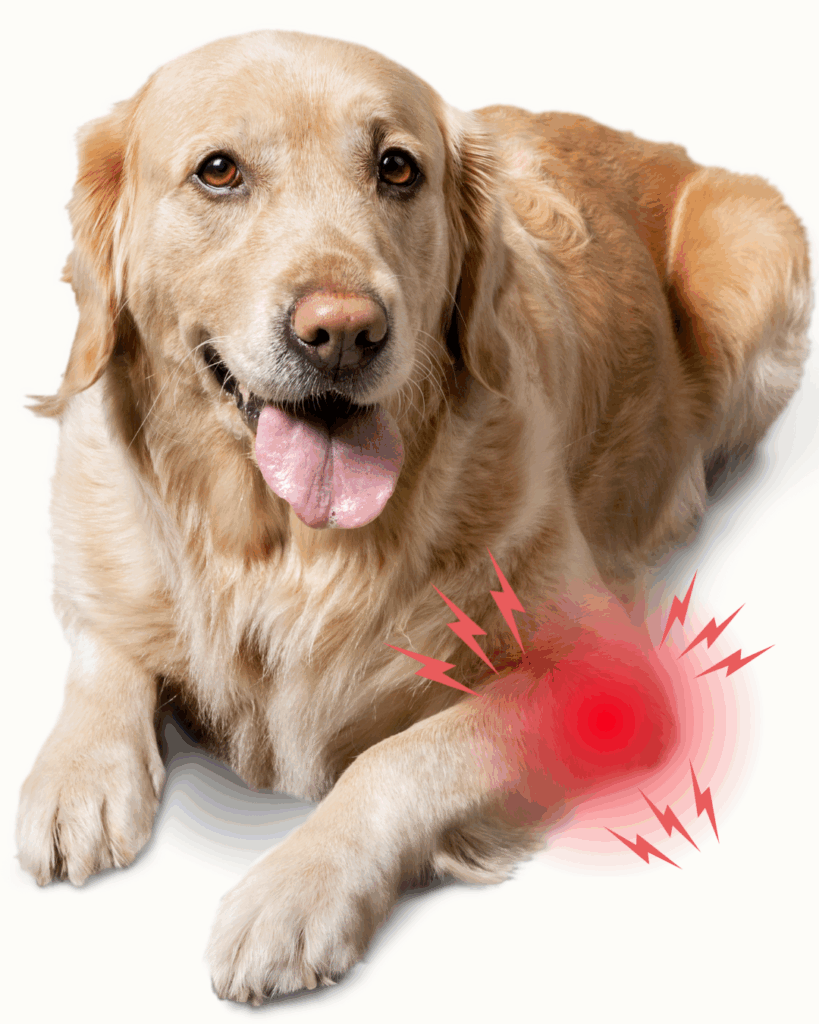
Elbow dysplasia is a genetic condition that affects how the elbow joint develops. The elbow is made up of three bones—the ulna, radius, and humerus—and sometimes, as a dog grows, these bones don’t align properly. This causes joint incongruity, pain, and eventually degeneration and arthritis.
Because dogs carry around 60% of their body weight on their front limbs, issues in the elbows can have a big impact on overall mobility and comfort.
Types of Elbow Dysplasia
There are a few different conditions that fall under the umbrella of elbow dysplasia:
- Fragmented Medial Coronoid Process (FMCP) – a common cause of elbow pain in young dogs.
- Ununited Anconeal Process (UAP) – occurs when a bony fragment fails to fuse properly.
- Osteochondritis Dissecans (OCD) – a condition where cartilage becomes damaged, leading to pain and joint instability.
- Medial Compartment Disease – a later-stage condition that causes progressive degeneration of the joint.
Signs and Symptoms to Watch For
Dogs with elbow dysplasia might show:
- Limping or lameness (especially after play or exercise)
- Difficulty going down stairs or jumping off furniture
- Hesitation to rise or lie down
- Swollen elbows
- Pain when the elbow is manipulated
- Behavioural changes like irritability or reluctance to play
Signs can appear as early as 4–12 months of age, but some dogs only become noticeably lame later in life as arthritis sets in.
How Is Elbow Dysplasia Diagnosed?
Your vet might recommend:
- X-rays or CT scans
- Arthroscopy (a small camera in the joint)
- Physical examination
- Clinical signs based on history and movement
Impact on Quality of Life
Elbow dysplasia can affect a dog’s quality of life, but with appropriate management, many dogs lead relatively comfortable lives. However, without treatment, the dog may suffer from long-term pain, muscle weakness, and mobility limitations. As dogs lose joint ranges, they experience an overall decrease in mobility and functional abilities, therefore altering their quality of life.
Treatment Options: Surgical or Conservative?
Yes—elbow dysplasia can be managed surgically depending on the specific condition affecting your dog’s elbow. These may include various osteotomies, arthroscopic procedures to remove joint mice (debris), or muscle release surgeries to improve joint function and reduce pain. Your dog will be required to undergo a period of restricted activitity to allow the joint to heal. Rehabilitation, including veterinary physiotherapy, plays a critical role in restoring function and mobility. Regular physiotherapy sessions will help decrease pain, improve range of motion, and build muscle strength around the joint.
However, many dogs’symptoms can be managed conservatively, especially if the condition is mild or if the dog is not a candidate for surgery. Conservative management focuses on alleviating pain, improving joint function, and supporting the muscles surrounding the elbow joint.
What Does Conservative Management Involve?
Conservative treatment is about improving joint function, reducing pain, and supporting the muscles around the elbow. This often includes:
- Veterinary Physiotherapy: Veterinary physiotherapy plays a key role in managing elbow dysplasia. Regular sessions help reduce pain and inflammation, maintain joint mobility, and build strength in the muscles supporting the elbow, particularly the scapular sling muscles. This helps prevent compensatory pain in other areas of the body and slows down the progression of the disease.
- Weight Management: Maintaining a healthy weight is crucial. Excess weight increases strain onthe joints and accelerates degeneration. Moreover, fat cells produce inflammatory substances that can exacerbate pain.
- Joint Supplements: Providing supplements to support joint health and reduce inflammation.
- Pain Medication Adjusting exercise routines to avoid aggravating the condition, such as daily walks of appropriate length and on suitable surfaces. Your vet or veterinary physiotherapist can advise you on the best exercise plan for your dog.
- Exercise Modification: Adjusting exercise routines to avoid aggravating the condition, such as daily walks of appropriate length and on suitable surfaces. Your vet or veterinary physiotherapist can advise you on the best exercise plan for your dog.
- Home Adjustments: Preventing activities that may strain the elbow, such as
- Jumping from high places or walking up and down stairs.
- Ensuring surfaces are non-slip to prevent falls and further injury
- Raising food bowls to decrease forces going through the elbow joints
Want to see how veterinary physiotherapy can make a difference? Read Freyja’s story