
Understanding Osteoarthritis in Dogs: What You Need to Know
Photograph courtesy of Katja Photography
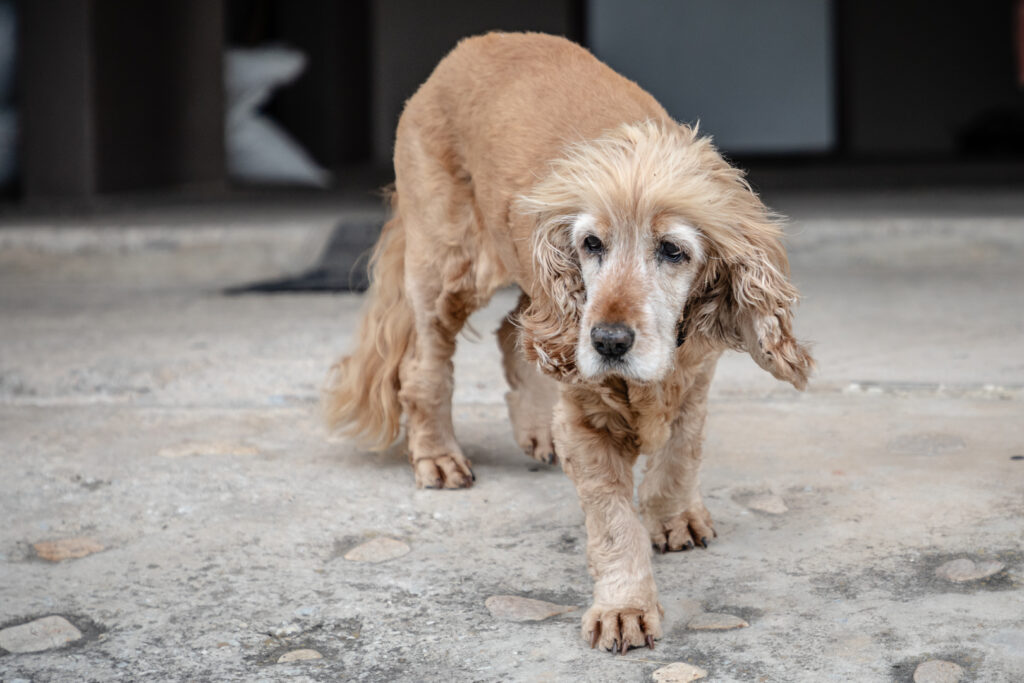
Osteoarthritis (OA) is one of the most common chronic conditions affecting dogs. It involves the breakdown of joint cartilage and changes to surrounding tissues, often leading to pain, stiffness, and reduced mobility.
While OA is a long-term condition, that doesn’t mean there’s nothing we can do. In fact, a well-rounded management plan can make a huge difference in your animal’s comfort, function, and quality of life.
So what can veterinary physiotherapy do to aid in the management of arthritis?
1.Reduction in Pain and Inflammation
Hands-on therapies—like joint mobilisations and soft tissue techniques—can help relieve discomfort and improve joint mechanics.
In addition, therapeutic tools such as Laser therapy; TENS (Transcutaneous Electrical Nerve Stimulation); PEMF (Pulsed Electromagnetic Field Therapy); Cryotherapy (cold therapy) can reduce pain signals, improve circulation, and calm inflammation in the joint area. These approaches are often used together to help animals feel more comfortable and willing to move.
2. Preserving Joint movement
Through gentle joint mobilisation, stretching, and tailored exercises, we can:
- Keep the joint moving
- Improve elasticity in surrounding soft tissue
- Help stimulate natural joint fluid movement
This can make everyday activities—like getting up, walking, or playing—easier and less painful for your animal.
3. Supporting Muscle Strength and Balance
When joints are sore or unstable, animals often shift their weight or change how they move. This leads to muscle weakness, poor coordination, and sometimes further injury.
Rehabilitation focuses on rebuilding muscle strength, improving balance, and restoring proper movement patterns.
Did you know?
In human medicine, strengthening exercises have been shown to provide pain relief comparable to anti-inflammatory medications1—especially when done under professional guidance. The same principles apply to our animals.
4. Improving Daily Life and Well-Being
When pain is reduced and movement improves, animals can return to the things they love—walks, play, or simply moving around more easily. This leads to improved:
- Comfort
- Confidence
- Mood and behaviour
It’s not just about joints—it’s about your animal’s whole quality of life.
Looking at the bigger picture: Other key parts of OA management
A complete OA care plan includes multiple elements working together. Here are some other crucial pieces:
Weight Management and Diet
If your animal is overweight, losing just a little can make a big difference. Less weight means less pressure on painful joints—and less pain, not to mention the other health benefits.
Furthermore, a good, healthy diet, is instrumental in maintaining comfort levels.
Joint Supplements
Not all joint supplements are created equally.
Choosing a product with proven ingredients—and in the right amounts—can help support joint health.
Ingredients can typically be divided into two categories:
Chondroprotective ingredients (support joint cartilage), such as glucosamine, chondroitin and collagen
Anti-inflammatory ingredients (reduce inflammation), such as Omega-3 fatty acids (EPA and DHA), turmeric, and green-lipped mussel
Pain Medication
Pain medication can be instrumental in alleviating your animal’s discomfort. It may result in increased activity levels and may modestly improve mobility.
However, pain medication alone, will not:
- Restore/ maintain range of motion
- Target weak muscles
- Prevent overuse of other limbs/ parts of the body
- Protect damaged joints from further degeneration
Even when pain is under control, animals often continue moving in ways that cause further problems. That’s why a structured rehabilitation plan—guided by a veterinary physiotherapist—is so important.
Surgery in some cases
For some animals, surgery is necessary to correct joint abnormalities that contribute to OA. This is often the case with hip or elbow dysplasia; osteochondritis dissecans (OCD) and other developmental joint diseases.
Surgery is just one part of the solution. Post-operative rehab is key to restoring function, minimising complications, and improving long-term outcomes.
The Right Kind of Exercise
It’s important to keep your animal moving—but in the right way. Overdoing it or choosing the wrong type of activity can make things worse.
A veterinary physiotherapist can guide safe, low-impact exercise that:
- Builds strength
- Maintains movement
- Reduces joint strain
Every animal is different, so their exercise plan should be tailored to them.
Veterinary physiotherapy ties everything together. It focuses on managing pain; preserving or improving mobility; restoring strength and correcting movement patterns.
It’s not a quick fix—but with the right support, your animal can regain comfort, strength, and confidence over time.
- Drum, MG. et al (2021). The Role of Strengthening in the Management of Canine Osteoarthritis. Advances of Small Animal Care, DOI:10.1016/j.yasa.2021.07.00
↩︎
- Fransen, M., McConnell S, Harmer AR, et al (2015). Exercise for osteoarthritis of the knee: a Cochrane systematic review. British Journal of Sports Medicine2015;49:1554-1557.
- Juhl, C. et al. (2014). Impact of exercise type and dose on pain and disability in knee osteoarthritis: a systematic review and meta-regression analysis of randomized controlled trials. Arthritis & Rheumatology, 66(3), 622–636, DOI:10.1002/art.38290
- Mille, MA. et al (2023). Physiotherapeutic Strategies and Their Current Evidence for Canine Osteoarthritis. Veterinary Sciences; 10(1):2. DOI:10.3390/vetsci10010002