
Raising a Happy, Healthy Puppy – What Your Vet Physio Wants You to Know
This guide was created in collaboration with Somé Stander from Vet Physique, whose expertise and input were instrumental in its development.
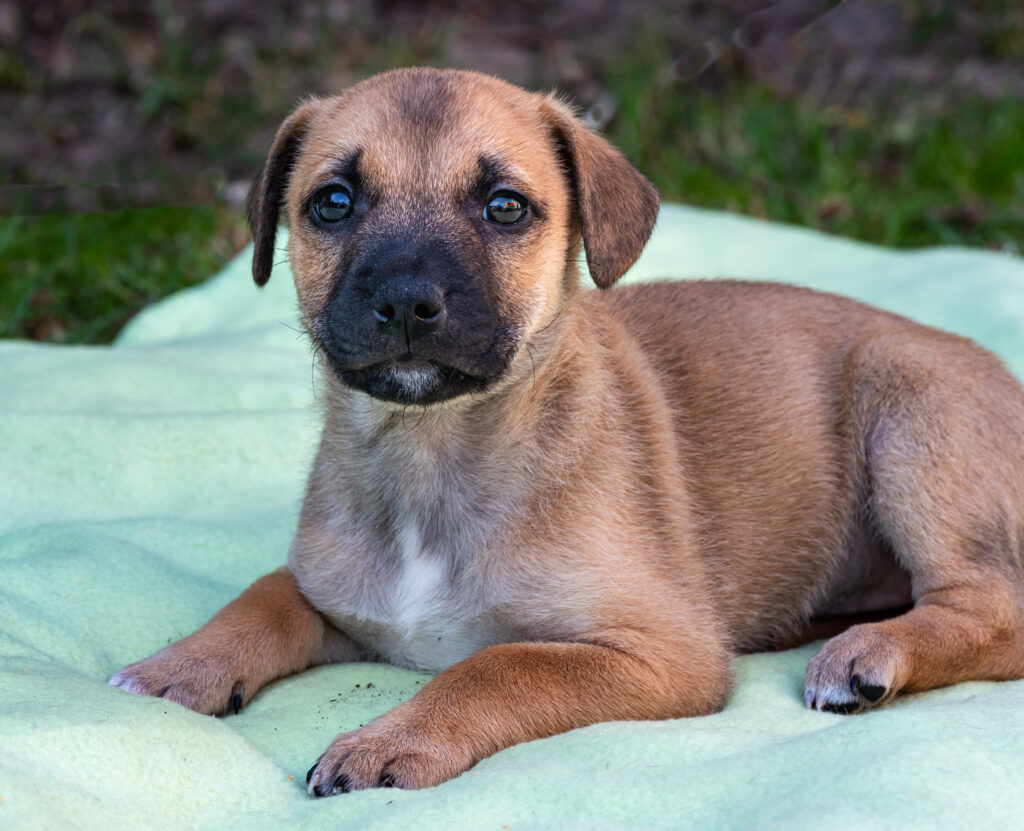
Congratulations on your newest family member!
At FlexiVet Physiotherapy, we share your excitement and are here to support you through this wonderful journey with your puppy. As you navigate the whirlwind of puppyhood, there are a few key things to keep an eye on—especially when it comes to musculoskeletal development. Early detection of potential issues can help prevent them from becoming more serious as your puppy matures.
Red Flags to Watch Out For
From a veterinary physiotherapist’s perspective, these signs may indicate discomfort, developmental concerns, or musculoskeletal issues:
Avoidance of prolonged standing: Your puppy may prefer sitting or lying down instead of standing for extended periods.
Low energy or subdued behaviour: If your puppy seems quieter than usual, shows little interest in play, or lies down during playtime.
Swaying hind legs: An unsteady gait with swaying back legs may signal discomfort or instability.
Recurring limping: Limping that appears more than once could point to an underlying issue.
Struggles with jumping: Avoidance or difficulty when trying to jump onto furniture or raised surfaces.
“Bunny hopping” while running: If both hind legs move together like a rabbit hop, it could indicate a musculoskeletal concern.
Systemic symptoms: Vomiting, diarrhoea, appetite loss, or lethargy need prompt veterinary attention.
Safety First: Setting Your Puppy Up for Success
Avoid slippery surfaces and stairs:
Puppies often lack the motor control to safely navigate these. Teach your puppy how to climb stairs around 12 weeks of age. Until then, avoid letting them use stairs—especially unsupervised.
Supervise play with larger dogs:
While play is vital for development and socialisation, puppies may mimic the rough or fast movements of older dogs, increasing injury risk. Opt for supervised play with similar-sized companions.
Feed high-quality puppy food
Proper nutrition is essential for healthy growth. Feed a high-quality, breed-appropriate diet, avoid overfeeding, and weigh your puppy regularly. Excess weight from rapid growth can contribute to developmental issues.
Manage exercise carefully:
Puppies can’t regulate their own activity and are prone to overexertion. Their skeletal and muscular systems are still developing, making appropriate activity critical.
Guidelines for Safe Exercise:
- Low-impact activities – Short walks and gentle play are ideal for growing joints.
- Avoid high-impact exercise – Postpone running, jumping, or long hikes until your puppy is fully developed.
- Avoid “forced” exercise – Activities like hiking or jogging should only begin after growth plate closure (usually between 12–22 months).
- Use both on- and off-leash experiences – Leash training builds manners; safe off-leash exploration builds neuromuscular strength and body awareness.
- Stimulate the brain – Puppies can’t be tired out with physical exercise alone. Use enrichment tools like snuffle mats, puzzles, or teach them a new trick.
Recognising Fatigue in Puppies
Fatigue increases the risk of injury. If your puppy shows any of the following during activity, it’s time to stop and rest:
- Over-stimulation or over-excitement
- Lagging behind
- Seeking shade
- Spade-shaped tongue
- Excessive panting
- Lying down or refusing to walk
Every puppy is different, so stay observant and learn your pup’s unique limits
How Veterinary Physiotherapy Can Help
At FlexiVet Physiotherapy, we offer comprehensive support for your puppy’s healthy development:
- Puppy Assessments: Identify early red flags and learn how to reduce injury risks.
- Veterinary Physiotherapy: For healthy puppies, we focus on proprioception, muscle development, and injury prevention. For those with conditions, we provide tailored rehab programs.
- Swimming Introductions: Once your pup is 4 months old, we offer swimming sessions—a fun, safe way to build strength and confidence while helping ensure they’re comfortable around water.
Puppyhood is a magical but critical time.
With the right care, guidance, and preventative support, your puppy can grow into a strong, healthy adult. If you have any concerns—or just want peace of mind—FlexiVet Physiotherapy is here to help.